



Product category
Helideck lighting UAE for offshore and aviation facilities: compare perimeter lights, obstruction lights and windsocks by layout, visibility and approval.
Browse by range
5 shown
Showing all 5 results
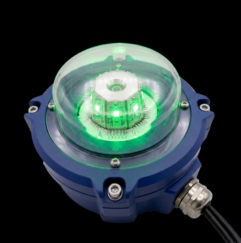
Hardy Lighting
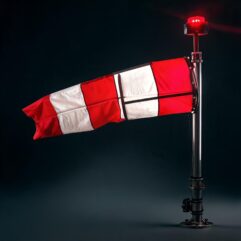
Hardy Lighting
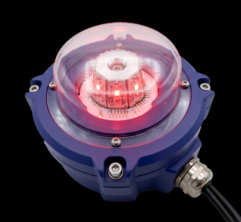
Hardy Lighting
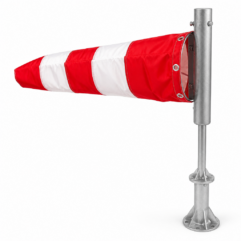
Hardy Lighting
Hardy Lighting
About this category
Need helideck lighting for an offshore platform, marine facility, rooftop helipad or aviation site in the UAE or GCC? Daly Middle East supports contractors, consultants, EPC companies, facility operators and maintenance teams with helideck and aviation lighting components for specialist landing-area requirements.
This category includes helipad perimeter lights, obstruction lights and windsock indicators. These products perform different functions and should be selected as part of the approved helideck layout, aviation standard, visibility requirement and operating procedure. Confirm the exact product documentation and authority requirements before specifying a system.
For application support, visit the explosion proof lighting supplier UAE page or request technical aviation-lighting support.
Helideck lighting is a coordinated set of visual aids that helps define a landing area, identify structures or obstacles, show wind direction and support safe helicopter operations in the conditions covered by the project design and operating procedures.
Perimeter lights, obstruction lights and windsocks are not interchangeable. A perimeter light marks the landing-area boundary, an obstruction light identifies a structure or hazard and a windsock indicates wind direction. The final arrangement depends on the helideck design, applicable standard, location, visibility, emergency arrangements and authority approval.
Perimeter lights help identify the edge of the landing area. Review the required colour, spacing, visibility, mounting, power supply, control, environmental exposure and maintenance arrangement against the approved helideck layout. The category includes a green LED helipad perimeter light published with ICAO and CAP437 compliance claims on its individual product record; verify the exact model documentation for the project.
Explore Perimeter Lights for Helideck Aviation Lighting.
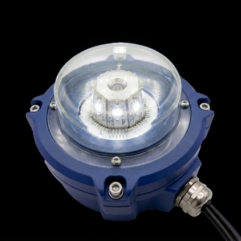
Obstruction lights identify towers, masts, structures or other hazards that may affect aviation operations. Confirm the required light colour, intensity, flash or steady operation, mounting position, visibility range, control and authority requirements. The category includes red and white LED obstruction-light options published with ICAO compliance claims on their individual records; confirm the exact product before specification.
Explore Helideck Obstruction Lights.
A windsock provides a visual indication of wind direction and may be illuminated for night operations or reduced visibility. Check whether the project requires an internally lighted or unlighted windsock, the mounting structure, fabric size, rotation, visibility, material, power supply and maintenance access.
Explore Windsock Direction Indicator.
The final system should be assessed against the helideck geometry, nearby structures, approach paths, operating hours, weather conditions, emergency procedures and local aviation authority requirements.
Provide the helideck drawing, dimensions, markings, perimeter arrangement, nearby structures, obstacle positions, approach paths and required lighting locations. Do not choose the number or spacing of lights from a product page alone.
Confirm the project’s applicable standard, client specification and authority requirements. The product pages reference aviation standards such as ICAO and CAP437 for specific models, but the exact applicability must be checked against the project, location and approval route.
Decide whether the requirement is for perimeter definition, obstacle marking, wind direction, emergency indication or another approved aviation function. If more than one function is needed, treat each as a separate technical check within the overall layout.
Consider night operations, reduced visibility, background lighting, viewing direction, colour, intensity, flash pattern, wind, rain, salt air, dust, vibration and temperature. The selected product must be suitable for the actual environment and viewing conditions.
Provide voltage, frequency, AC/DC requirement, circuit arrangement, control method, monitoring, emergency supply and cable-entry requirements. Confirm whether the project requires a dedicated aviation-lighting controller, remote status indication or integration with an existing system.
Review the mounting base, bracket, pole or support, clearances, cable routing, inspection method, cleaning access and replacement procedure. Offshore and rooftop locations can make access difficult, so maintenance should be considered before the final arrangement is approved.
Make sure the datasheet, compliance statement, light source, colour, electrical data and environmental claims apply to the exact product, variant and configuration proposed. Availability, lead time and delivery remain subject to the specific quotation and project requirements.
Helideck and aviation standards address specialist operational and visual requirements. Hazardous-area certification, where applicable, is a separate equipment-suitability check. A product should not be treated as ATEX, IECEx or intrinsically safe unless the exact product documentation states that approval.
For projects combining helideck operations with hazardous-area conditions, confirm both the aviation requirements and the equipment certification with the client, consultant and authority. Product suitability remains model-specific.
Before requesting a quotation, send:
If any item is unknown, provide the helideck drawing, aviation specification or authority comments for review. Daly Middle East can then coordinate a reviewable shortlist against the project inputs.
Daly Middle East supports UAE and GCC enquiries for helideck and aviation lighting with product-family guidance, technical information and quotation coordination. Depending on the project, the review may cover the helideck layout, perimeter, obstruction marking, windsock, visibility, colour, control, power, mounting, environment, datasheets and compliance references.
The objective is a technically reviewable aviation-lighting shortlist that fits the approved project inputs—not an unsupported claim that every product is suitable for every helideck or authority requirement.
Request a helideck lighting quotation or contact Daly Middle East.
Helideck lighting is a coordinated set of visual aids used to define a landing area, identify obstacles or indicate wind direction. The exact products and arrangement must follow the approved layout, applicable standard, operating procedure and authority requirements.
Perimeter lights help identify the boundary of the landing area. Confirm the required colour, spacing, visibility, mounting, power and control arrangement against the approved helideck design.
An obstruction light identifies a tower, mast, structure or other hazard relevant to aviation operations. Confirm the required colour, intensity, flash or steady operation, mounting position and project compliance requirements.
That depends on the approved helideck design and operating requirements. Confirm whether the project requires an internally lighted or unlighted windsock, including the fabric, support, power, visibility and maintenance arrangement.
No. Aviation compliance and hazardous-area certification are separate checks. Verify the exact product documentation and confirm any ATEX, IECEx or other approval required by the project.
Daly Middle East supports UAE and GCC enquiries for helideck perimeter lights, obstruction lights and windsock indicators. Product suitability, compliance, documentation and availability are reviewed model by model against the project requirement.
Next step
Send a line list, drawing or datasheet reference. We return a priced schedule with lead times.
Start an enquiry →Full product catalogue with model references, ratings and ordering codes.
Get the PDF →Application selection, sizing and certification guidance before you commit to a specification.
Book a technical call →