



Application guide
Tank Level Monitoring in the UAE & GCC
Know what is in every tank without climbing it. We supply radar, ultrasonic, float, magnetic and wireless level instruments for fuel, solvent, chemical and water tanks, including intrinsically safe and SIL-rated options for hazardous areas.
Which level technology suits your tank?
Start from what the tank contains and what is happening above the liquid. The wrong choice is usually made on price, then fails on foam, vapour or heat.
| Your situation | Start with | Why |
|---|---|---|
| Clean liquid, open or vented tank, no hazardous area | Non-contact ultrasonic sensor | No moving parts and no contact with the liquid. Low cost per tank, simple to commission. |
| Foam, vapour, high temperature or aggressive chemicals | FMCW radar sensor | Radar is not affected by air temperature and vapour changes the way sound is, and a narrow beam avoids tank-wall echoes. |
| Flammable liquid, Zone 1 or Zone 2 area | Intrinsically safe sensor | Loop-powered ATEX/IECEx instruments keep the energy in the tank below ignition level. |
| High-high or low-low alarm that must work independently | SIL-rated float or level switch | A separate switch keeps protecting the tank if the measuring system fails. |
| Operators need a reading at the tank | Magnetic or visual level indicator | Reads without power or a display, and shows the true level in the vessel. |
| Remote tank with no mains power or network | Battery-powered wireless telemetry | Sends readings by LTE or NB-IoT, so no site visit is needed to check a level. |
| Several tanks, pumps or alarms to control | Multi-relay level controller | One unit handles pump start and stop, alarms and volume from the level signal. |
A tank often needs two layers: a continuous sensor for inventory and a separate switch for overfill protection. Overfill rules for petroleum storage are set by the tank owner and standards such as API 2350, so confirm the requirement before you finalise the design.
Level instruments we supply
Every item below links to its product page. Specifications are taken from the product pages, so check the datasheet for your exact model and approval.

Pulsar dBR Radar Series
Non-contacting radar for high temperature, foam, atmospheric changes and harsh chemicals. Built for hazardous and extreme conditions.
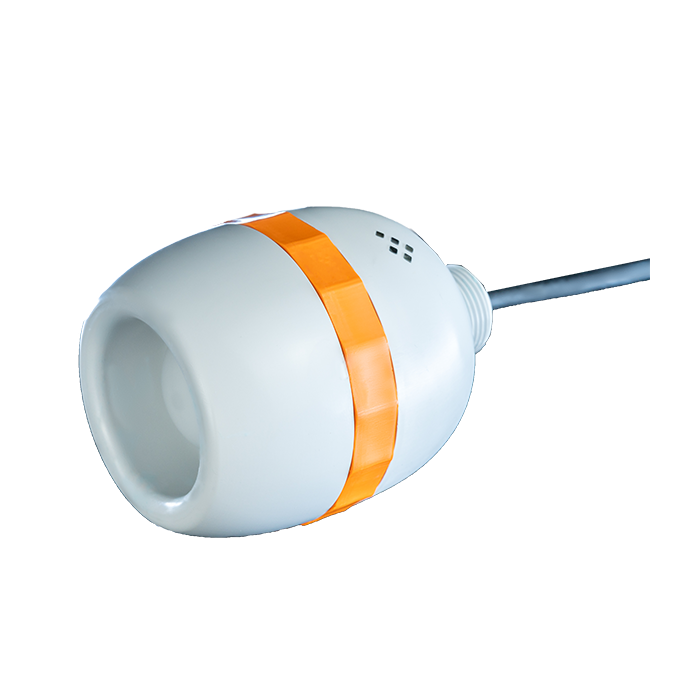
Pulsar REFLECT
2-wire FMCW radar for liquids and solids. 6° beam angle, IP68 / NEMA 6P enclosure, resists vapour, foam and dust.
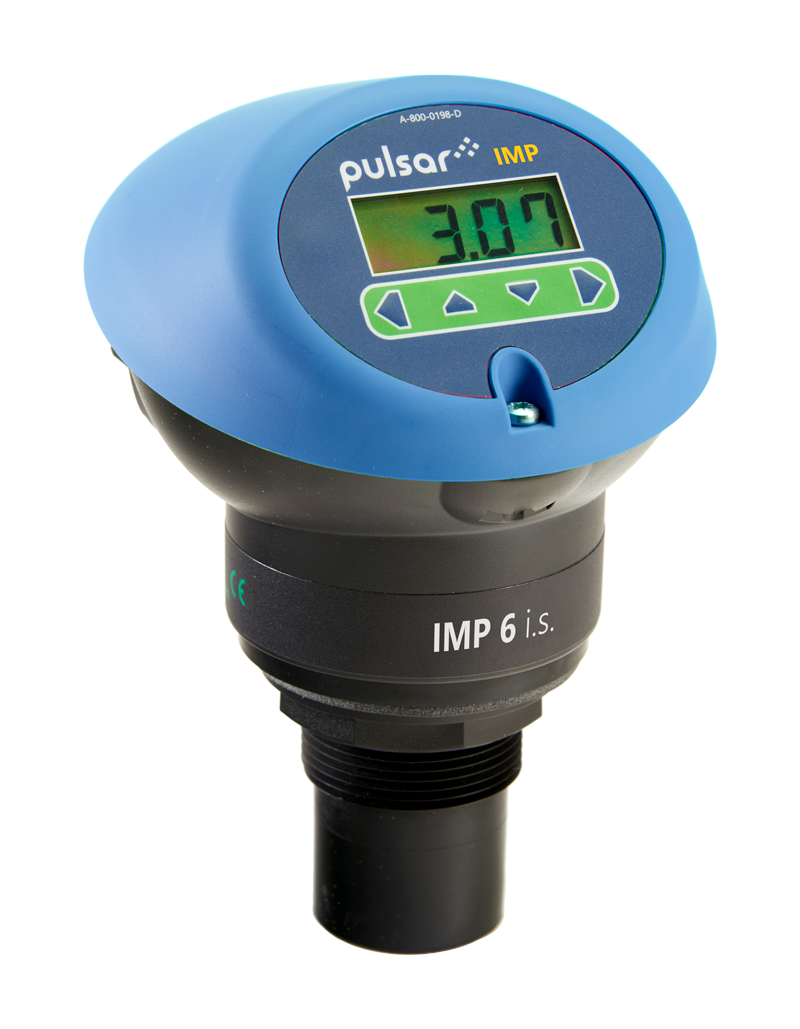
Pulsar IMP I.S.
ATEX and IECEx certified, loop-powered, PVDF wetted parts. Ranges of 3 m, 6 m and 10 m.

Pulsar dBi HART
Non-contact, loop-powered transducer with HART output. Suited to tanks, silos, wet wells and remote locations.
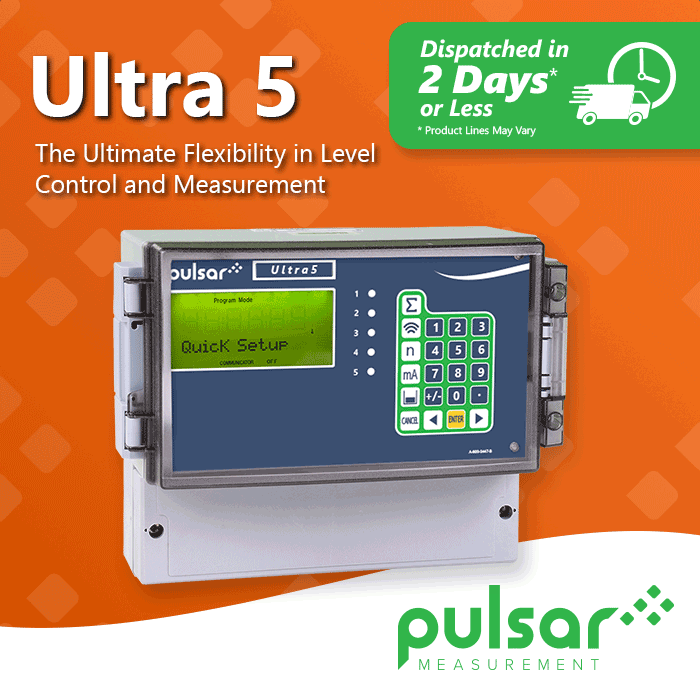
Pulsar Ultra 5
Five assignable relays for alarms and pump control, pre-programmed tank shapes and differential level with two transducers.
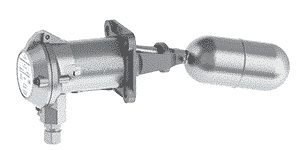
Trimod Besta intrinsically safe switches
Switch modules classified Ex eb db IIC T5 to T6 Ga/Gb for hazardous areas, with SIL 1 and SIL 2 options.
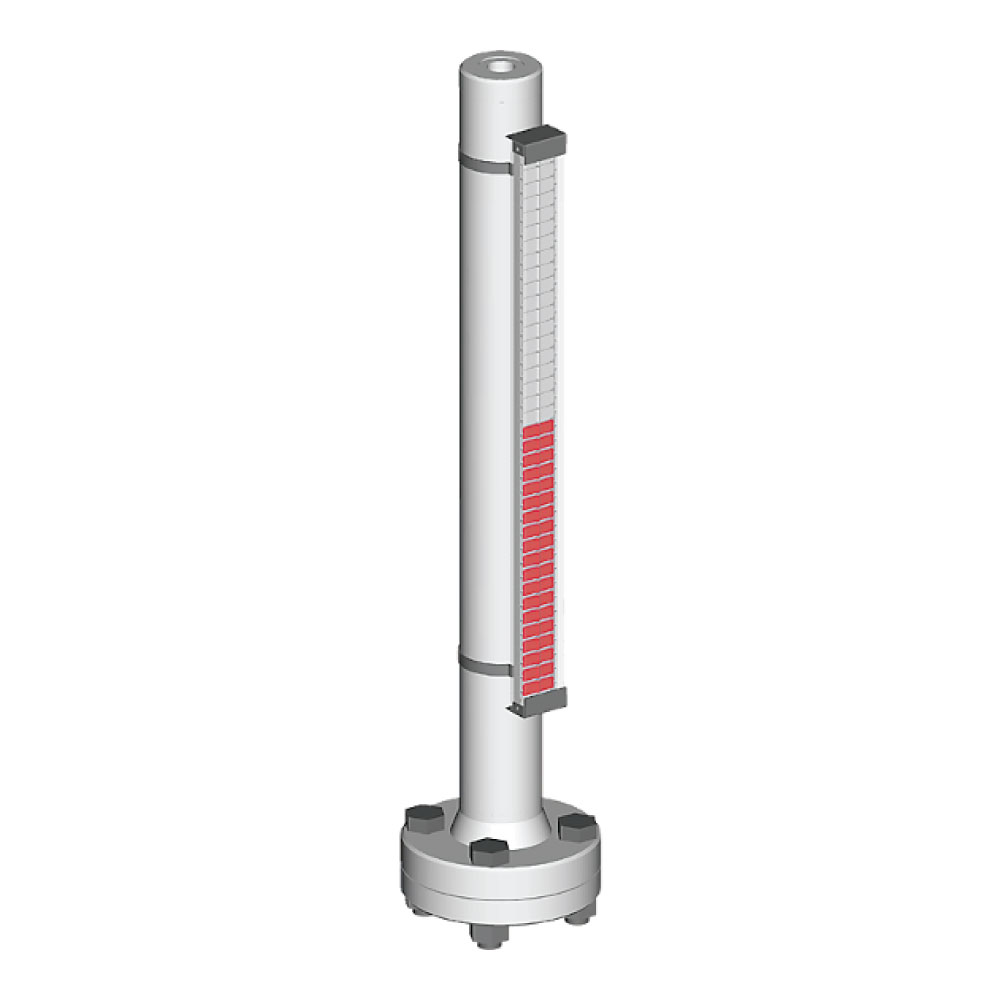
WEKA StandardLine 50
Bypass visual level indicator for PN up to 50 bar, -80 to +400 °C, liquid density from 0.55 g/cm³.

SignalFire RANGER
Battery-powered LTE CAT M1 / NB-IoT unit for remote level monitoring, with cloud storage and alerts. Solar-ready.
Also in range: Pulsar dB ultrasonic transducers up to 40 m, PSL 5.0 six-relay controller, HB Sensors flanged float switches and WEKA top-of-tank indicators. Browse everything in Level Measurement Instruments.
How to specify a tank level system
Six questions that decide the instrument before you ask for a price.
- What is in the tank?Liquid type, density, whether it foams, crusts or gives off vapour.
- Is the area classified?Give the zone and gas group. This decides whether you need ATEX or IECEx certified, intrinsically safe equipment.
- What are the tank dimensions?Height, shape and any internal obstructions. Measuring range and beam width follow from these.
- Process conditions?Temperature and pressure range, and the materials that touch the process.
- Is this for control or for safety?Inventory readings need a continuous sensor. An overfill or dry-run protection function needs an independent SIL-rated switch.
- How does the signal leave the tank?4-20 mA, HART, Modbus, Profibus PA, relays, or wireless for remote sites.
Where these systems are used
Fuel and solvent tank farms
Stock measurement, high-level alarms and operator gauges on bulk storage tanks.
Chemical dosing and day tanks
Plastic and stainless tanks holding acids, caustics and treatment chemicals.
Water and wastewater
Wet wells, balancing tanks and sludge blanket detection with pump control.
Remote and unmanned sites
Tanks far from mains power, read over LTE or NB-IoT.
Brands behind these instruments
Tank level monitoring FAQs
Radar or ultrasonic for tank level: which should I choose?
Ultrasonic sensors are economical for clean liquids in open or vented tanks. Radar costs more but is the safer choice with foam, vapour, high temperature or strong chemicals, because its reading is not changed by the air above the liquid.
Can I use one sensor for both level control and overfill protection?
Usually not. A continuous sensor and its controller handle measurement and alarms, while overfill protection is normally a separate switch that still works if the measuring system fails. Follow the safety requirement set by the tank owner or operator.
What does SIL 1 or SIL 2 mean on a level switch?
SIL is the safety integrity level of a safety function. Trimod Besta offers level switch modules in SIL 1 and SIL 2 versions. The level you need comes from the risk assessment for the tank, not from the product alone.
Do you supply intrinsically safe level sensors for hazardous areas?
Yes. Examples include the Pulsar IMP I.S. and dBi HART ultrasonic sensors and Trimod Besta intrinsically safe level switches. Tell us the zone and gas group and we will check the certificate against your area.
Can I monitor a tank with no power or network on site?
Yes. The SignalFire RANGER is battery-powered and sends readings over LTE CAT M1 or NB-IoT, and it can be paired with a solar panel. You see level data on a laptop or phone and can set alerts for abnormal readings.
Which level instruments are best for chemical tanks?
Non-contact radar or ultrasonic sensors avoid wetted parts altogether. Where contact is acceptable, the Pulsar IMP I.S. has PVDF wetted parts and WEKA offers plastic top-of-tank and bypass indicators in PP, PVC and PVDF.
Do you supply tank level instruments across the GCC?
Yes. Daly Middle East supplies from Dubai to the UAE, Saudi Arabia, Oman, Qatar, Kuwait and Bahrain.
Need a level system for a tank in the UAE or GCC?
Send us the liquid, tank size, hazardous-area zone and output signal. We will recommend the instrument and quote it.