



ATEX · IECEX · INDUSTRIAL LED LIGHTING
Explosion Proof Lighting Supplier UAE & GCC
Daly Middle East is an explosion proof lighting supplier in UAE for oil and gas, marine, offshore, utility, infrastructure and industrial projects where the lighting must suit the hazardous-area classification, operating environment and project specification.
✓ Zone 1 & Zone 2 options
✓ Fixed, emergency & portable
✓ UAE & GCC project support
6
Certified manufacturer partners
Zone 1 & 2
Hazardous-area coverage
ATEX & IECEx
Certification routes supported
UAE & GCC
Project & site support
WHY IT MATTERS
Explosion Proof Lighting for UAE and GCC Industrial Projects
Technical selection support for buyers who need a compliant, documented lighting package — not a generic catalogue recommendation.
Explosion proof lighting is intended for locations where flammable gases, vapours, mists, combustible dust or other hazardous conditions may be present. The correct product is selected from the area classification, equipment marking, certificate, environmental conditions and installation requirements — not from wattage or appearance alone.
As an explosion proof lighting supplier UAE project teams can contact for technical review, Daly Middle East supports contractors, consultants, maintenance teams, EPC companies and end users with product-selection assistance for hazardous-area lighting. Product suitability remains model-specific, so the proposed fixture, certificate, marking, ambient range and installation conditions should be checked together before purchase.
For a practical explanation of zones, marking and certification, read the ATEX vs IECEx lighting guide →
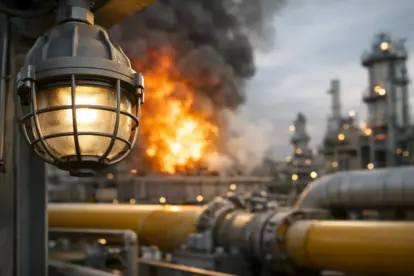
Built for real site conditions
Selection support for harsh, offshore, marine, petrochemical and utility environments.
PRODUCT RANGE
Hazardous-Area Lighting Solutions
Choose the product family that fits the application, then confirm the exact marking, certificate and installation conditions.
01
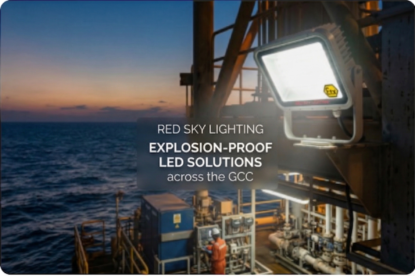
Explosion-Proof LED Floodlights
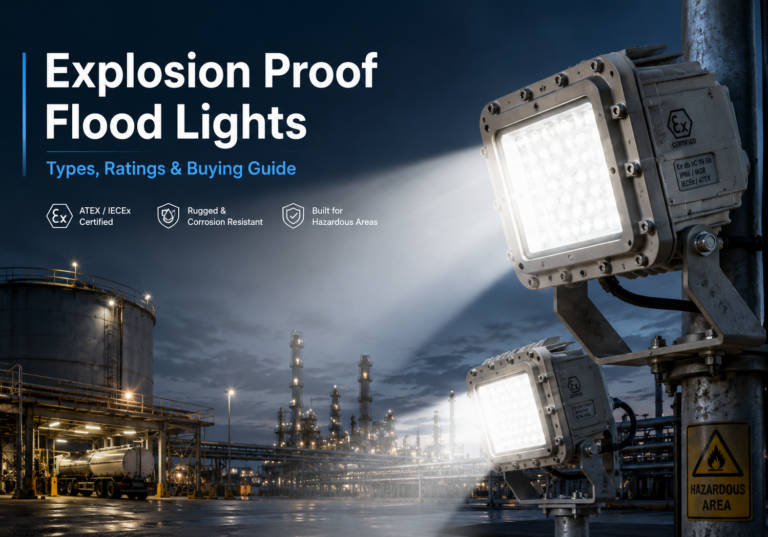
Robust lighting options for process areas, yards, loading zones, offshore decks, tank farms and demanding outdoor applications. Review beam distribution, mounting, ambient temperature and the required hazardous-area rating.
02
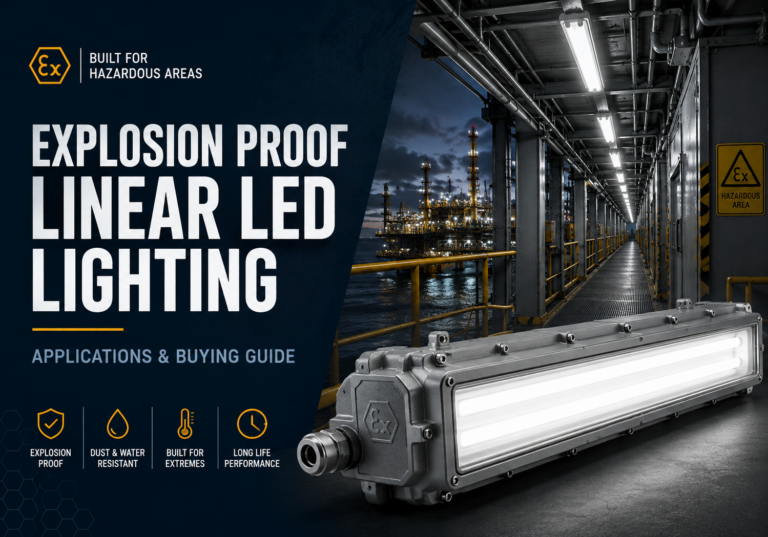
High-Bay & Linear Lighting
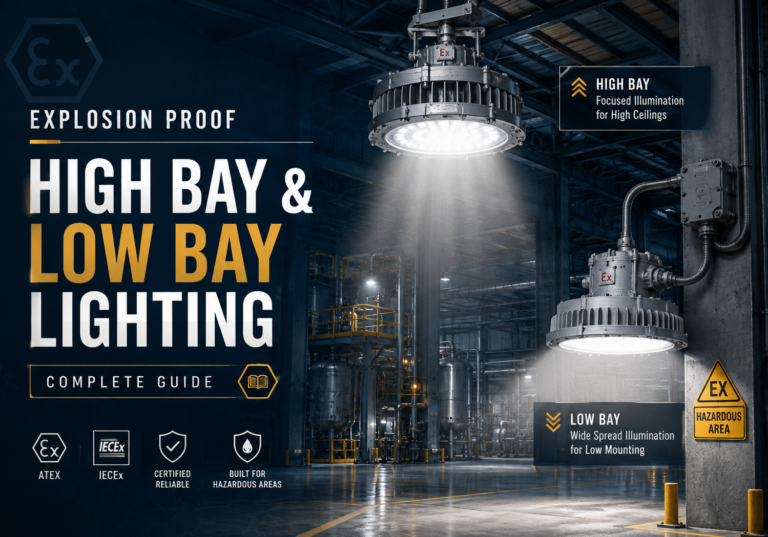
Options for workshops, maintenance bays, industrial interiors, pump rooms, warehouses and operational buildings. Consider mounting height, illuminance, maintenance access and emergency requirements.
03
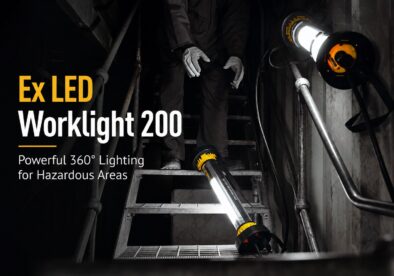
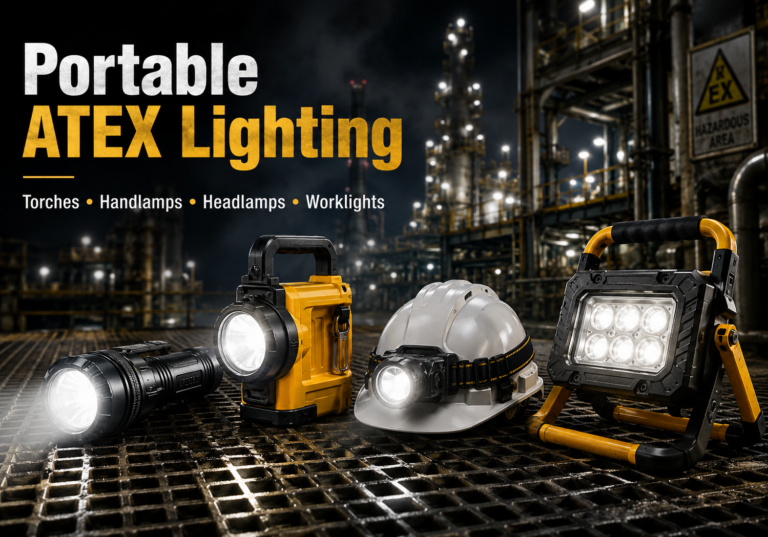
Emergency & Portable ATEX Lighting
Portable work lights, rechargeable safety lights, intrinsically safe lamps, headlamps, hand lamps, torches and emergency lighting for inspection, maintenance and temporary work.
MANUFACTURER PARTNERS
Verified Product Families We Supply
A shortlist of the manufacturer partners and model families behind this range. Each link goes to a real product page with a downloadable technical datasheet.
Red Sky Lighting
Explosion-proof LED floodlights, high/low bay, linear and 90-minute battery-backed emergency linear fixtures.
Ex-Tech Signalling
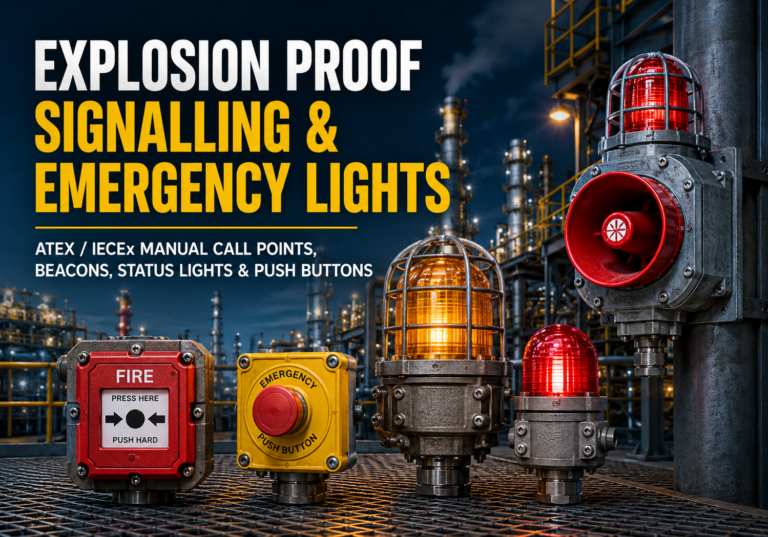
ATEX/IECEx-certified manual call points for hazardous-area emergency signalling.
Nightstick
ATEX/IECEx Zone 0 and UL-913 intrinsically safe torches and worklights for portable use.
SA Equip
ATEX & IECEx certified portable EX LED worklights for Zones 1/2 (gas) and 21/22 (dust).
Data Link
Portable Ex GalaLED explosion-proof work light, certified for Zones 1, 2, 21 and 22.
Hardy Lighting
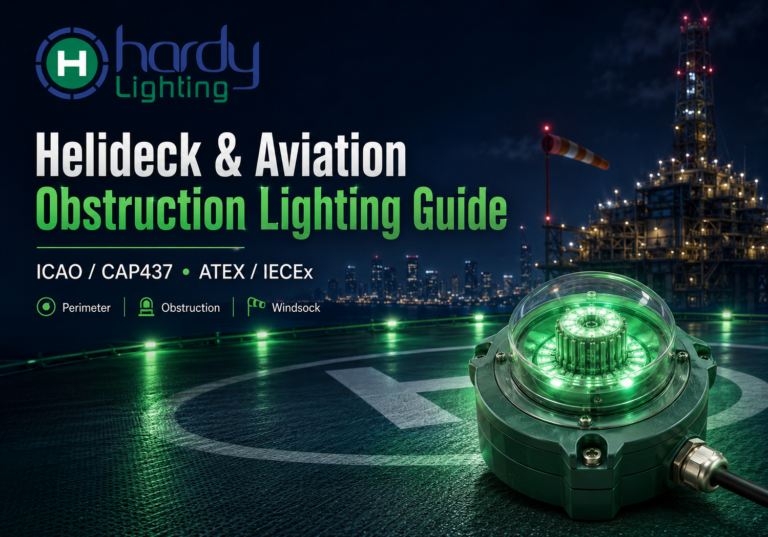
ICAO/CAP437-compliant helideck perimeter, obstruction and windsock lighting, engineered in the UAE.
SELECTION PROCESS
How to Choose Explosion Proof Lighting
Use the project classification and technical documentation as the starting point for every selection.
01
Confirm the Area
Start with the approved hazardous-area drawing. Confirm gas, vapour, mist or dust and whether the location is Zone 0, 1, 2, 20, 21 or 22.
02
Read the Marking
Review equipment group, category, gas or dust group, protection concept, temperature class, equipment protection level and special conditions.
03
Match the Environment
Check maximum surface temperature, ambient range, salt air, washdown, dust, chemicals, vibration, corrosion risk, IP rating and cable entries.
04
Verify the Model
Confirm the certificate and datasheet correspond to the exact product, variant and configuration proposed for the project.
PROJECT INPUTS
Specify, Confirm, Align
1
Specify the Application
Identify whether the requirement is a floodlight, high bay, linear fitting, emergency light, portable work light, headlamp, signalling light or another fixture type.
2
Confirm Electrical Details
Provide voltage, frequency, AC/DC requirement, control method, emergency duration, mounting arrangement and any existing fitting information.
3
Align the Documents
Confirm the required datasheet format, certificate references, lighting layout or IES requirement, client specification and quotation format.
BEFORE YOU SEND YOUR ENQUIRY
What to Send an Explosion Proof Lighting Supplier
Complete information helps reduce unsuitable quotations and late project changes.
✓
Project location and application
✓
Hazardous-area drawing or zone information
✓
Gas/dust group and temperature class
✓
Certification and consultant specification
✓
Fixture type, quantity and mounting height
✓
Voltage, frequency and cable-entry details
✓
Environmental conditions and IP requirement
✓
Lighting layout or illuminance target
✓
Datasheets, certificates and delivery needs
✓
Quotation format and project timing
If any item is unknown, send the project specification or hazardous-area drawing for review.
Speak to Daly Middle EastCERTIFICATION
ATEX and IECEx Lighting Solutions
ATEX and IECEx are not interchangeable labels. ATEX is the European Union legal framework for equipment and protective systems intended for potentially explosive atmospheres. IECEx is an international conformity-assessment scheme for equipment and services used in explosive atmospheres.
Some products carry both ATEX and IECEx certification, but the exact model, variant, marking, certificate and conditions of use must be checked. The requirement for a UAE or GCC project remains project-specific and should be confirmed against the client, consultant, authority and destination-market requirements.
Read the official IECEx FAQ and the European Commission ATEX guidance. For a buyer-focused explanation, see Daly’s ATEX vs IECEx guide.


Certification needs are project-specific. Confirm the exact requirement before selecting a product.
WHERE IT'S USED
Applications Across UAE and GCC Projects
Support for maintenance replacements, plant upgrades and larger project supply packages.
Oil & Gas
Facilities, refineries, petrochemical plants, tank farms, loading areas and fuel-handling locations.
Marine & Offshore
Offshore platforms, marine decks, shipyards and helideck support areas exposed to demanding conditions.
Utilities
Power sites, water and wastewater facilities, pump rooms and compressor stations where classified areas require Ex equipment.
Industrial Sites
Workshops, storage areas, chemical processing plants and emergency locations with classified zones.
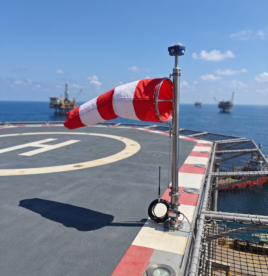
For aviation-related lighting, see the obstruction-lighting range →
WHY DALY MIDDLE EAST
Why Choose Daly Middle East?
The wrong product can create safety risks, compliance issues and project delays. Daly helps buyers review the requirement before selecting a product.
01
Application Review
Review the area classification, use case, mounting location, operating conditions and project constraints.
02
Suitable Options
Identify product options that match the application and requested certification route, subject to model-specific verification.
03
Documentation
Support datasheets, certification references, product information and documents for client or consultant review.
04
Supply Coordination
Coordinate commercial assistance for UAE and GCC maintenance or project packages. Availability and lead time remain quotation-specific.
FROM REQUIREMENT TO QUOTE
A Practical Route From Requirement to Quotation
A clear process helps project teams move from site information to a reviewable shortlist.
1
Share the Inputs
Send the zone, application, quantity, mounting details, certification requirement and site information.
2
Review Technical Fit
Daly checks the requirement against suitable product types and available manufacturer documentation.
3
Confirm the Shortlist
Review the proposed model, marking, certificate, datasheet and installation conditions against the project need.
4
Coordinate the Quote
Receive commercial support for the selected product options and required documentation.
GO DEEPER
Explore the Hazardous-Area Lighting Guides
In-depth buying guides for each product category — types, ratings and selection criteria.
FAQ
Explosion Proof Lighting FAQs
Helpful answers for buyers, contractors and project teams sourcing hazardous-area lighting in the UAE and GCC.
What is explosion proof lighting?
Explosion proof lighting is designed for locations where flammable gases, vapours, mists, dust or combustible materials may be present. The product must be selected and installed according to its complete marking, certificate, conditions of use and hazardous-area classification.
What is the difference between ATEX and IECEx lighting?
ATEX is the European Union's legal framework for equipment used in potentially explosive atmospheres, while IECEx is an international conformity-assessment scheme recognised across multiple countries, including much of the GCC. Some fixtures carry both certifications, but the exact model, marking and conditions of use must always be checked against the specific project and destination-market requirement.
Does Daly Middle East supply explosion proof lighting in UAE?
Yes. Daly Middle East supplies and supports explosion proof and hazardous-area lighting for projects across the UAE and wider GCC, working with contractors, consultants, EPC companies and end users on product selection, documentation and supply.
Can you supply Zone 1 and Zone 2 lighting?
Yes. The range covers Zone 1 and Zone 2 gas-classified areas, with select models also suited to Zone 21/22 dust-classified locations. The exact zone, gas or dust group and temperature class should be confirmed so the correct model and certificate are proposed.
Can Daly Middle East support oil and gas lighting projects?
Yes. The range is used across oil and gas facilities, refineries, petrochemical plants, tank farms and fuel-handling locations, and Daly supports both new-project supply and maintenance replacement of existing hazardous-area fixtures.
What information should I send for a quotation?
Send the project location and application, hazardous-area drawing or zone information, gas/dust group and temperature class, certification requirement, fixture type and quantity, electrical details, environmental conditions and any lighting layout or datasheet requirements. If any item is unknown, send the hazardous-area drawing or project specification for review.
Can you help select the correct hazardous-area light?
Yes. Send the project details above and Daly Middle East will review suitable product options, confirm the certificate and marking against the requirement, and support the datasheets and documentation needed for client or consultant review.
GET IN TOUCH
Need an Explosion Proof Lighting Supplier in UAE?
Send Daly Middle East your hazardous-area classification, application, mounting details, quantity, certification requirement, project location and documentation needs. The team can support a technical review and quotation for suitable UAE or GCC project requirements.
Request Technical Support