Sewerin Leak Detection & Gas Monitoring

About Sewerin Leak Detection & Gas Monitoring

Sewerin – Product FAQs

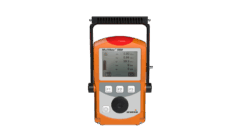
Multitec® 560

Q: What applications is the Multitec 560 suitable for?
The Multitec 560 is ideal for process monitoring and personal safety in environments such as landfills, biogas plants, and wastewater treatment facilities.

Q: What gas-related tasks can it perform?
It can be used for monitoring work areas, checking gas purity, and confirming gas-free conditions during maintenance.

Q: Which gases can the Multitec 560 measure?
It measures methane and carbon dioxide, and can be equipped with additional sensors for oxygen, hydrogen sulphide, and carbon monoxide.

Q: Is the device explosion-proof?
Yes, it is certified for explosion-proof operation and can be safely used in hazardous areas.


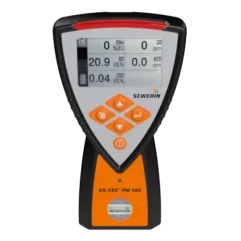
EX-TEC® PM 580

Q: What is the EX-TEC PM 580 used for?
It is used for testing gas pipelines, identifying gas hazards in buildings or confined spaces, and monitoring toxic gas levels.

Q: How fast does it identify gas hazards?
The device provides immediate detection and alerts the user with audible and visual alarms.

Q: Which gases can it detect?
Depending on configuration, it can detect up to five gases including methane, carbon dioxide, carbon monoxide, hydrogen sulphide, and oxygen.

Q: What is the operating duration?
Battery life varies by mode—up to 16 hours for warning mode, 11 hours for measurement, and around 8 hours for detecting structural leaks.

Q: How does the gas detection work?
A built-in pump draws in ambient air, and sensitive sensors measure gas concentrations. All data is shown on the display and can be documented digitally.


EX-TEC® SNOOPER 4

Q: What is the SNOOPER 4 mainly used for?
It is designed for detecting gas leaks in installation lines, joints, and connection points during routine checks or commissioning.

Q: Is it approved for use in explosive environments?
Yes, the device complies with ATEX requirements for explosion-protected equipment.

Q: Which gases can the SNOOPER 4 detect?
It supports calibration for multiple gases including methane, propane, butane, hexane, nonane, hydrogen, and kerosene.


SNOOPER® mini

Q: What is the intended use of the SNOOPER mini?
It is ideal for inspecting exposed indoor gas pipelines and is widely used by installers, utilities, and industrial maintenance teams.

Q: What models are available?
The SNOOPER mini comes in versions for methane, propane, or hydrogen, as well as a model with a handheld sensor option.

Q: Why choose SNOOPER mini over leak detection sprays?
Unlike sprays that may temporarily seal leaks, the SNOOPER mini gives precise gas concentration readings and ensures leaks are not overlooked.

Q: Which gases does it detect?
It detects methane, propane, or hydrogen depending on the model.


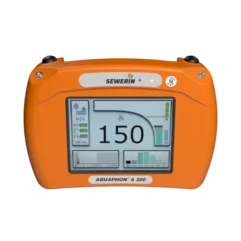
AQUAPHON® A 200

Q: How accurate is leak detection with the AQUAPHON A 200?
Its advanced Piezo microphones and intelligent filtering allow highly accurate leak pinpointing, even in noisy environments.

Q: Can less experienced users operate it easily?
Yes, built-in user guidance provides step-by-step instructions, making it easy for beginners.

Q: What is the benefit of GNSS positioning?
It records the exact geographic location of leaks, helping teams locate and repair them more efficiently.

Q: What are the advantages of a wireless system?
The wireless design eliminates cables, improves mobility, reduces trip hazards, and significantly speeds up field operations.


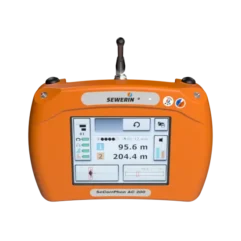
SeCorrPhon® AC 200

Q: What does the SeCorrPhon AC 200 do?
It is a combined correlator and acoustic system used for precise leak detection on water pipelines.

Q: Can it be used in noisy environments?
Yes, the device is designed to filter out ambient noise, allowing reliable leak detection even in challenging conditions.

Q: Does it support wireless operation?
Yes, the system components communicate wirelessly for ease of use and quick deployment.


SePem® 150

Q: What is the SePem 150 used for?
It is a noise logger designed for permanent or temporary monitoring of water distribution networks.

Q: How does it detect leaks?
The logger records and analyses noise patterns in pipelines to identify anomalies caused by leaks.

Q: Can the data be read remotely?
Yes, the system supports remote data retrieval, enabling efficient monitoring without frequent site visits.

Showing all 14 results

SEND AN ENQUIRY

Fields marked with an * are required