



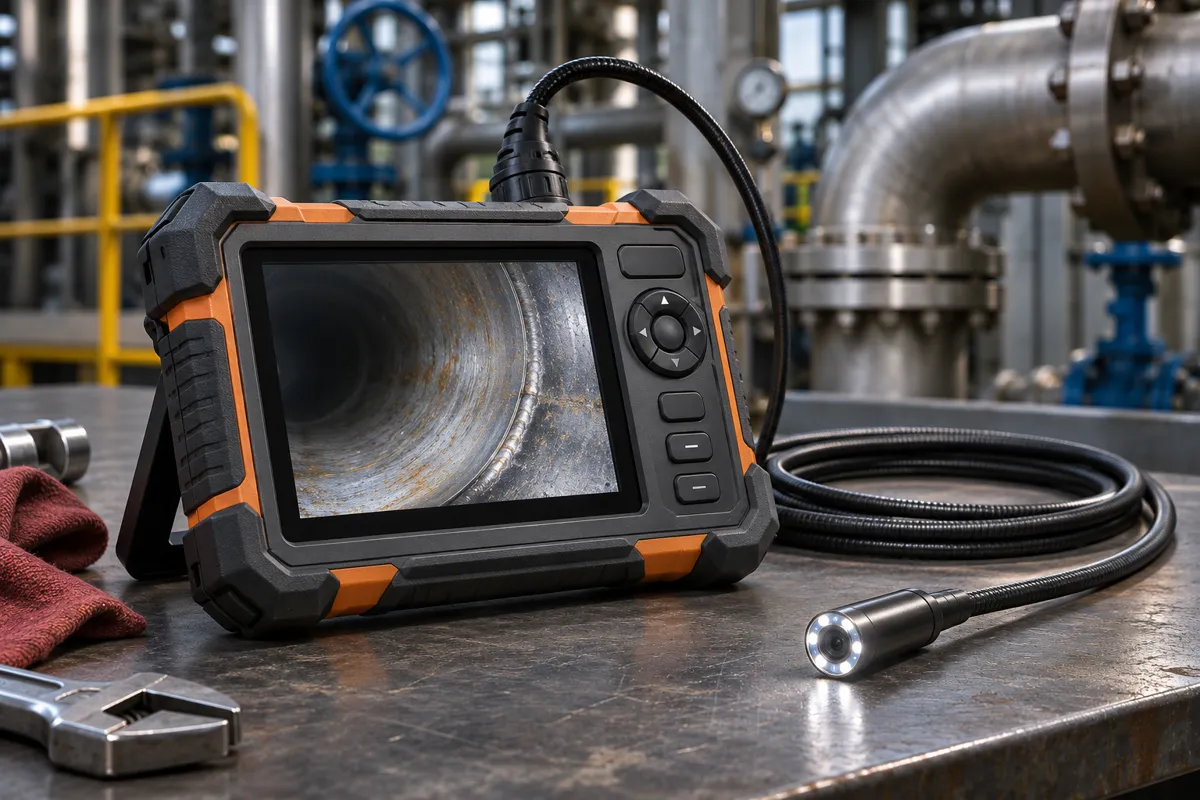
An ATEX digital camera is specified for more than image quality. In a classified area, the camera, battery, controls, charging method and accessories must be suitable for the zone and the site’s operating procedure.
Hazardous-area cameras are used for inspection records, maintenance evidence, asset condition surveys and incident documentation. The right unit helps a team capture useful evidence without introducing ordinary consumer electronics into an atmosphere where they are not approved.
Daly Middle East can help teams compare hazardous-area camera requirements for UAE and GCC projects. Start by defining the work process rather than choosing a camera body first. This atex digital camera guide keeps the selection process focused on documented application requirements.
ATEX digital camera: What to confirm before selecting an ATEX camera
The first question is the area classification. Confirm the zone, gas or dust group, temperature class and ambient range with the responsible site engineer. A camera approved for one atmosphere or zone is not automatically suitable for another.
Next, define how the camera will be used. A maintenance team taking close-up images may prioritise lighting and macro focus. An inspection team may need remote transfer, date and time records, a rugged housing or a workflow that keeps the device sealed until it leaves the area.
- Certification and equipment marking
- Zone and gas or dust group
- Ambient temperature range
- Battery and charging controls
- Ruggedness, ingress protection and drop resistance
- Data transfer and site cybersecurity rules
Why battery and charging need special attention
The camera is only one part of the system. Batteries, chargers, docking stations and spare packs should be reviewed against the manufacturer’s instructions. Charging often takes place outside the classified area, and the site procedure should prevent an unapproved charger or replacement battery from being introduced.
Ask whether the approval covers the complete camera configuration or only a particular battery, accessory or housing. Keep the certificate and user manual with the equipment register.
Image quality versus inspection workflow
A high-resolution sensor is useful only if the operator can safely hold, focus and store the image in the real work environment. Check shutter response, low-light performance, flash restrictions, glove operation, screen visibility and the way files are named and transferred.
For hazardous-area inspections, consistent evidence is often more valuable than a consumer-style feature list. Create a short capture checklist covering asset ID, location, defect description, date and follow-up action.
Related Daly resources
For broader hazardous-area selection context, see Daly’s ATEX certification guide. If the requirement is thermal rather than visible-light photography, the FirePRO thermal imaging camera article may be a useful starting point.
Contact Daly Middle East with the zone, required image workflow and certification requirement through the contact page.
Frequently asked questions
Can I use a standard digital camera in a Zone 1 area?
Not unless the equipment is approved for that area and used in accordance with the site’s hazardous-area procedures.
Do spare batteries need to be certified too?
Use only the batteries and accessories listed or approved by the manufacturer for the certified configuration.
What is the most important input for a camera quotation?
The area classification and complete use case, including inspection distance, temperature, data handling and charging location.
Further reading
Need help choosing the right equipment for your project? Contact Daly Middle East with your application details, required certification and delivery location.
ATEX Camera Types Compared
| Type | Best for | Watch for |
|---|---|---|
| ATEX digital camera (handheld) | Maintenance records, inspection evidence, incident photos | Zone rating, certified battery and charger |
| ATEX tablet or phone enclosure | Inspection apps, forms, photos and data in one device | Certificate covers the exact tablet model and enclosure |
| Explosion-proof CCTV camera | Fixed surveillance of plant, loading and perimeter | Mounting, cabling, certification of the full assembly |
| Thermal imaging camera | Hot spot and electrical inspection | Separate certification from visible-light cameras |
ATEX Cameras and Tablet Enclosures from Daly Middle East
Daly Middle East supplies ATEX and explosion-proof cameras for the UAE and GCC, including the Armadex ATEX digital camera and enclosures from Armadex, plus options from Spectrum Camera Solutions. See also our page on explosion-proof cameras for oil and gas.
How to Specify an ATEX Camera
- Get the zone and gas group from the site classification. See ATEX zones explained.
- Match the marking on the certificate: category, gas group, temperature class and ambient range.
- Decide how images move: memory card, Wi-Fi, cable or app, and whether site rules allow it.
- Confirm the battery and charger are part of the approved set.
- Check operation with gloves, screen visibility in sunlight and lighting needs.
Send your zone, use case and certification requirement via the contact page for a shortlist and quotation.
ATEX Camera: More Questions
What is an ATEX camera?
An ATEX camera is a digital camera certified for use in explosive atmospheres. Its certificate and marking state the zones, gas or dust groups and temperature class where it can be used.
What is the difference between an ATEX camera and an ATEX tablet enclosure?
An ATEX camera is a purpose-built certified device. An ATEX tablet enclosure houses a standard tablet or phone inside a certified housing so it can be used as a camera and data tool in a classified area. Both need certificates that match the zone.
Can I use an ATEX camera in Zone 1?
Only if the certificate and marking cover Zone 1. Many cameras are certified for Zone 2 only, so check the marking before purchase.
What does ATEX Zone 2 camera mean?
It means the camera is certified for areas where an explosive gas atmosphere is not expected in normal operation. It is not automatically suitable for Zone 1 or Zone 0.