



Flow & Level Measurement: Technical FAQ
Clamp-on vs inline, open-channel, electromagnetic, slurry duty and radar vs ultrasonic level - answered for engineers narrowing a technology before an RFQ.
Partner technology referenced
These are the questions we hear most from instrumentation and process engineers narrowing down a flow or level measurement technology before an RFQ. Each answer states the general engineering rule, links to a technical source, and flags where the right choice genuinely depends on your fluid, pipe and site conditions - send us the process data and we'll size it properly.
Matching the technology to the fluid and duty
Caveat: this is a starting shortlist based on the dominant constraint - final selection also depends on pipe material, size, accuracy requirement and process temperature/pressure. Send your process data sheet for a confirmed recommendation.
Q18.What is the difference between clamp-on and inline flow meters?+
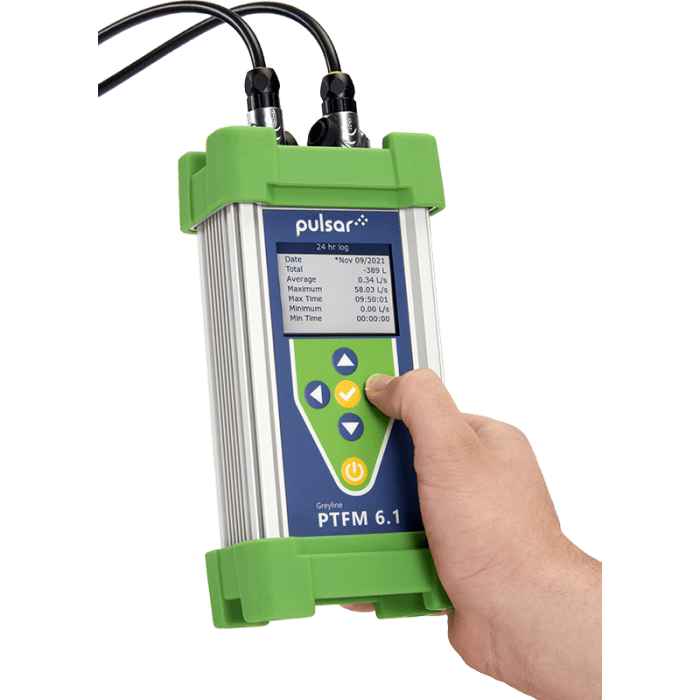
Clamp-on meters mount on the outside of an existing pipe and measure through the pipe wall using ultrasonic transit-time - no process shutdown, no cutting, no wetted parts, making them the default for retrofits. Inline meters install as a spool piece within the pipe run, sensor in direct contact with the fluid, generally giving higher accuracy but requiring a shutdown and pipe modification to fit.
Q20.How do I choose an ultrasonic flow meter?+
Start with the fluid condition: clean liquid free of bubbles and solids favours transit-time ultrasonic (time difference of pulses travelling with and against flow); liquid carrying suspended solids or entrained gas favours Doppler ultrasonic (frequency shift reflected off those particles). Then confirm pipe material and size, installation access (clamp-on vs inline), and required accuracy - transit-time is generally more accurate on clean fluids.
Q21.What is an electromagnetic flow meter used for?+

Electromagnetic (mag) flow meters measure electrically conductive liquids - water, wastewater, many slurries and chemical solutions - using Faraday's law: liquid moving through a magnetic field induces a voltage proportional to its velocity. No moving parts and no flow obstruction, which suits dirty or solids-laden liquids, but they cannot be used on hydrocarbons, oils, other non-conductive fluids, or gases.
Q25.What is the difference between radar and ultrasonic level measurement?+
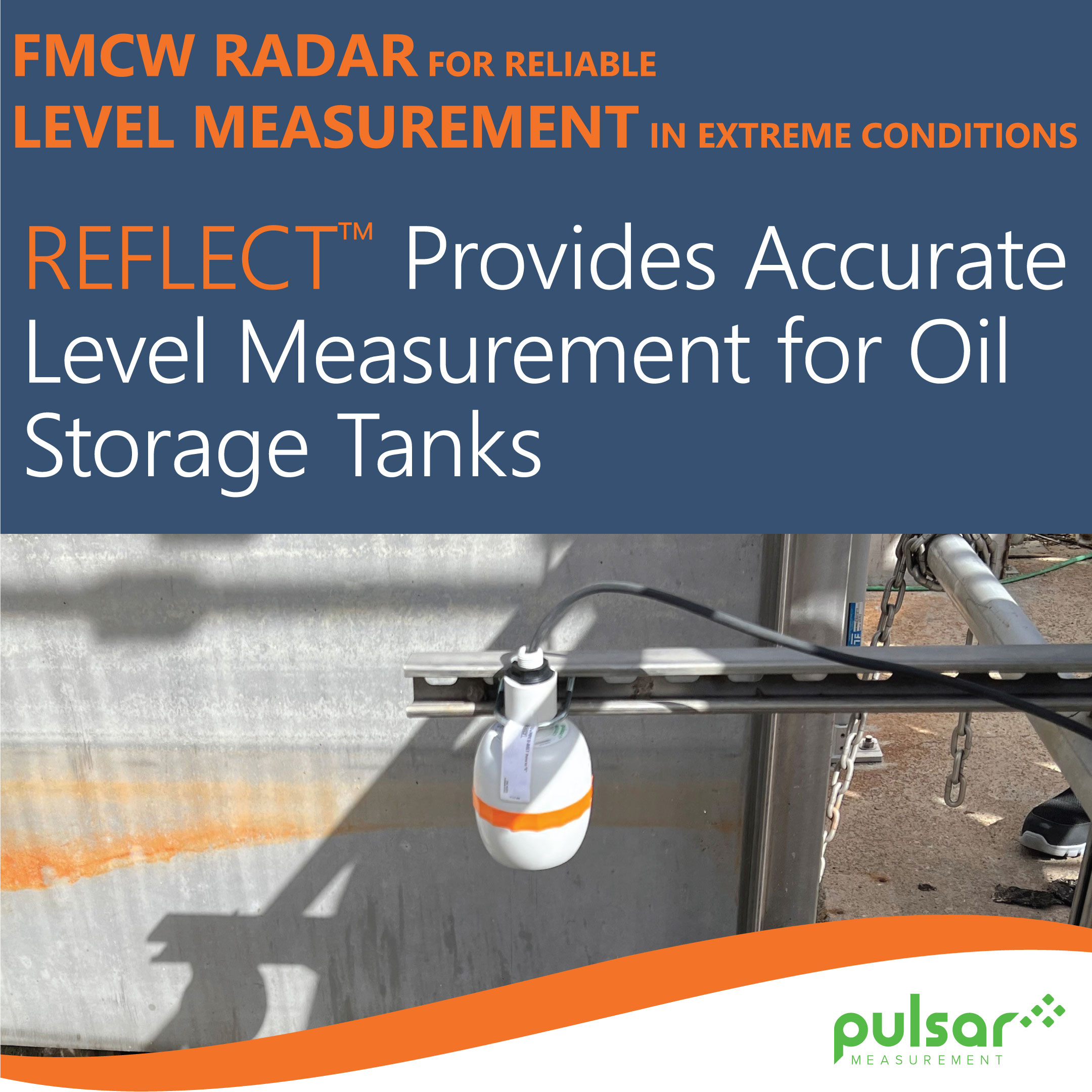
Both are non-contact, read from above the liquid or solid. Ultrasonic uses sound waves, affected by temperature gradients, vapour, dust and foam in the headspace, and can't operate in a vacuum. Radar uses microwaves, largely unaffected by vapour and dust and working across wider temperature, pressure and vacuum ranges - generally the more robust choice in harsher tank conditions, though ultrasonic stays a lower-cost option for simple, clean applications like open channels.
Slurry, solids and partially full pipes
Q22.Which flow meter works with slurry or suspended solids?+
Two technologies handle solids-laden flow well: electromagnetic meters, if the slurry is electrically conductive (most water-based slurries are); and Doppler ultrasonic meters, which actually rely on suspended solids or bubbles to reflect the ultrasonic signal, working where transit-time ultrasonic and mag meters (on non-conductive slurries) would struggle. Clamp-on Doppler is often preferred on abrasive slurries because it has no wetted parts to wear.
Q23.How do I measure flow in a partially full pipe?+
A pipe running partially full can't use a standard full-pipe flow meter accurately, since velocity and cross-sectional area both vary with fill level. The standard approach is an area-velocity (AV) sensor mounted inside or under the flow, measuring level and velocity simultaneously and calculating flow continuously - Daly supplies the Pulsar AVFM range for exactly this duty. Where the pipe discharges to open-channel conditions, a weir or flume meter is the alternative.
Q19.What is an open-channel flow meter?+
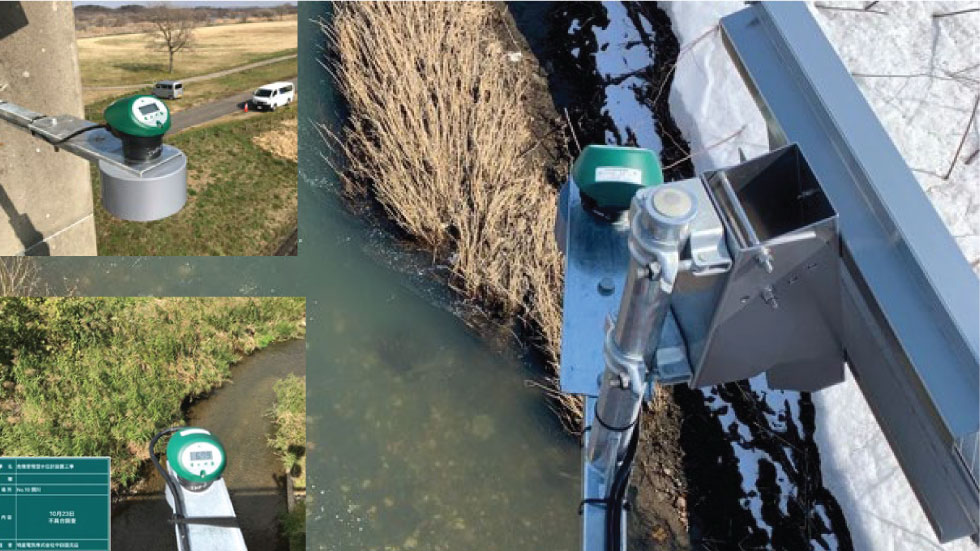
An open-channel flow meter measures liquid moving in a channel with a free surface rather than a full pressurised pipe - typical in irrigation canals, stormwater channels and wastewater plant inlets. It usually pairs a primary device (a weir or flume creating a known, repeatable relationship between water depth and flow rate) with a non-contact level sensor reading that depth, converting it to a flow rate through a calibrated head-flow equation.
Wastewater duty and what a supplier needs from you
Q17.What is the best flow meter for wastewater?+
There's no single "best" - it depends on whether the pipe runs full or partially full. In a full, pressurised pipe carrying raw or treated wastewater, electromagnetic meters are the most common choice because they have no obstruction to clog and handle solids-laden, conductive liquid well. Where the flow is in a partially full pipe or open channel - common at treatment plant inlets - an area-velocity or weir/flume-based meter is used instead.
Q24.What information does a flow-meter supplier need for sizing?+
A complete sizing request covers: pipe material, nominal size and wall thickness; liquid type and properties (conductivity, viscosity, temperature, solids content); whether the pipe runs full or partially full; minimum and maximum flow rate; available straight-run length before and after the install point; process pressure and temperature; and required accuracy. Send this as a short process data sheet rather than a single flow-rate figure - it's the difference between a correct sizing and a guess.